
Feedback
AI Ad Video Example
Loading...
MiniMax H3 prompt
Learn to craft a MiniMax H3 prompt where timecoded scenes shape the camera and sound, giving you clean 2K video with stereo audio built in.
All Tools
Discover our comprehensive AI-powered animation toolkit
MiniMax H3
MiniMax H3 AI Video Generator
Seedance 2.5
The Future of AI Video Is Here.
Seedance 2.0
The Future of AI Video Is Here.
Kling 3.0
Next-Gen AI Video Generator
Grok Video Generator
Create Videos from Text or Images with AI
MiniMax H3 video generator
MiniMax H3 AI Video Generator
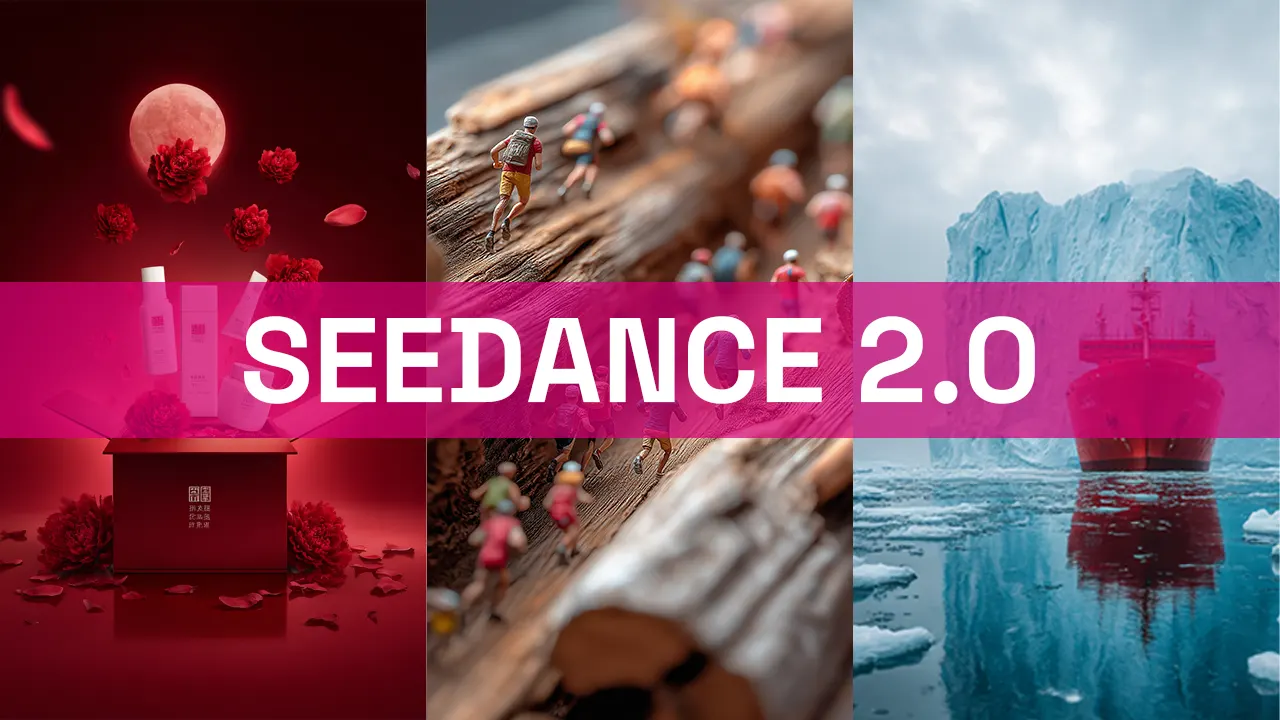
Seedance 2.0
The Future of AI Video Is Here.
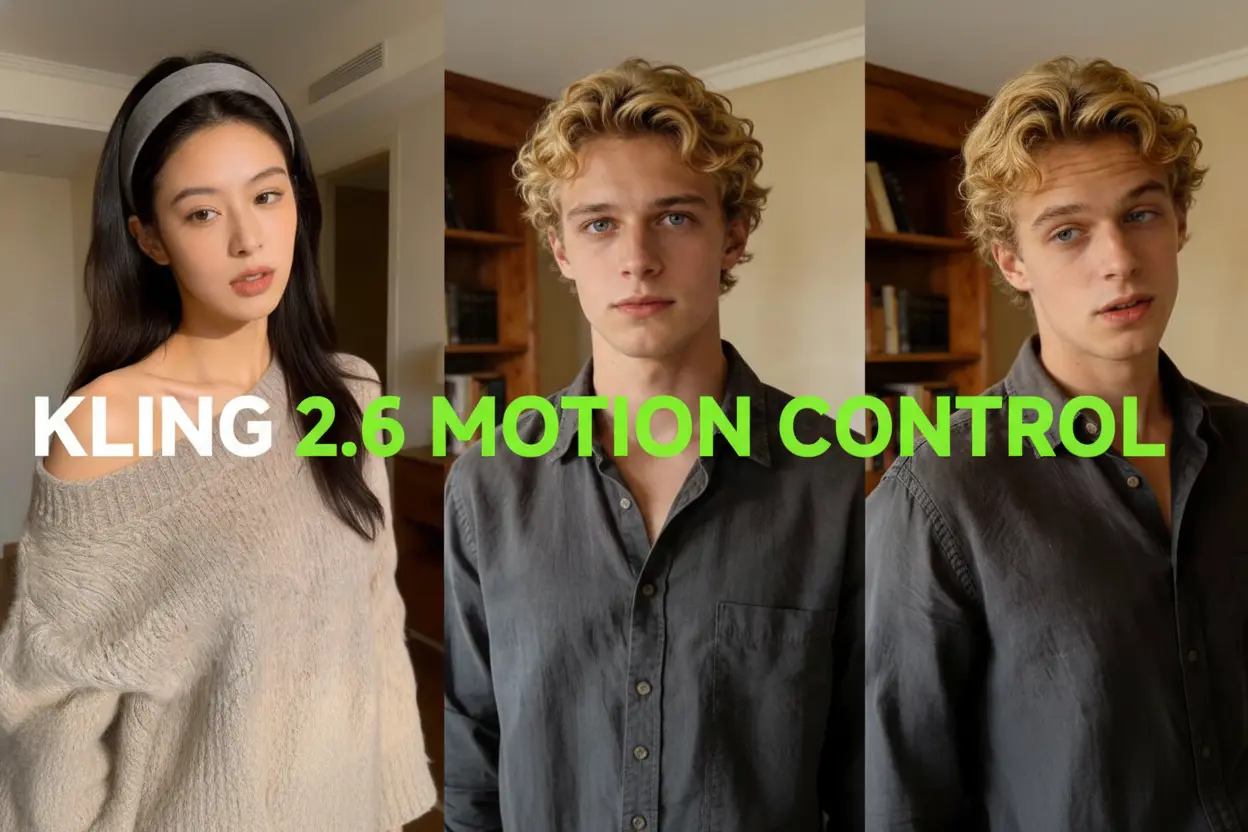
Kling Motion Control
Turn reference images into amazing motion videos in minutes
How a Well-Built MiniMax H3 prompt Improves AI Video Results
Learning the MiniMax H3 prompt approach lets you steer an open multimodal video model by assigning a purpose to every reference asset, mapping scenes with timecoded blocks, and directing camera plus audio style. A single 7,000-character prompt can produce 5-15 second, 2K, 24fps footage with native stereo sound while keeping people and props consistent between cuts.
- Purpose-Driven Reference InputsA strong MiniMax H3 prompt habit: explain what each image, clip, or audio file contributes — atmosphere, actor, product, style, or voice — so the model applies it correctly.
- Timestamped Scene BreakdownsSplit complex moments into [0-2s] and [2-4s] timecoded blocks inside one MiniMax H3 prompt, eliminating slideshow pacing and creating a real narrative arc.
- Sound Design with Visual PrecisionDescribe music progression, audio effects, and voice cloning with the same detail as picture in the MiniMax H3 prompt — sub-bass, hi-hats, foley, and dialogue rhythm all covered.
Build a MiniMax H3 prompt for 2K Video with Sound
Work through a simple MiniMax H3 prompt workflow that ends with 2K footage and audio locked to the picture.
Core Techniques for Reliable MiniMax H3 prompt Output
A practical breakdown of the MiniMax H3 prompt toolkit — reference roles, timed scenes, sound cues, negative instructions, identity locking, editing constraints, camera language, and action-driven transitions — for polished clips.
Add Clear Exclusion Rules
Tell the MiniMax H3 prompt what to avoid — no soft dissolves, no garbled characters, no jump scares — so the model steers around common mistakes.
Lock Core Identity Details
Keep characters, products, and locations stable across cuts by listing permanent traits in the MiniMax H3 prompt: hair, wardrobe, key props, and typography stay constant.
Pair Edits with Fixed Restraints
In editing workflows, tie every replacement in the MiniMax H3 prompt to the elements that must remain unchanged — targeted adjustments instead of a full redo.
Speak Cinematic Visual Language
Specify framing, lens behavior, exposure, and film qualities — handheld shake, rack focus, wide-angle distortion, film grain — directly in the MiniMax H3 prompt.
Make Cuts Feel Like Physics
Describe transitions as motion events — whip pans, motion blur, optical smearing, exposure flicker — which performs better than naming effects in the MiniMax H3 prompt.
Use All 7,000 Characters
Put the whole scene, timed shots, audio plan, and constraints into one MiniMax H3 prompt — complete creative control in one request.
MiniMax H3 prompt: Common Questions from Video Creators
Answers to the most-asked questions about planning prompts for the MiniMax H3 model — from shot timing to audio cues and character consistency.
What is in the MiniMax H3 prompt guide?
A practical playbook for prompting MiniMax's open multimodal model. You'll learn how to label reference assets, build timecoded structures, direct sound, add negative directions, lock identity, and use camera language to generate 2K clips with built-in stereo audio.
What is the character limit for a prompt?
The model accepts up to 7,000 characters, giving you enough space in one MiniMax H3 prompt for timed beats, camera cues, audio layers, and any constraints you need.
How should I use several reference images or clips?
Tell the model what each one is for inside the MiniMax H3 prompt — 'Image 1 sets the mood, Image 2 is the actor, Audio 1 is the voice.' You can provide up to 9 images, 3 video clips, and 3 audio files per request.
Is audio direction necessary?
Yes. Write audio as part of the scene: mention music structure, instrument timing, foley, and dialogue so the MiniMax H3 prompt produces sound that matches the cut.
How can I keep characters consistent?
List permanent visual facts — hair, wardrobe, props, and environment — in the MiniMax H3 prompt and carry them through every timed beat and cut.
What mistakes should I avoid when prompting?
Avoid loose pacing and style drift. Use timed scene blocks instead of slideshow rhythm, and add negative instructions in the MiniMax H3 prompt to block unwanted elements.
Try the MiniMax H3 prompt on Your Next Video
Produce 2K clips with native stereo audio using a MiniMax H3 prompt — assigned reference roles, timeline planning, cinematic framing, and exact sound cues all in one prompt.